





Let me paint you a picture: You’ve been hunched over your laptop all day, chasing deadlines while simultaneously preventing your toddler from eating crayons (again). You finally stand up and—yikes—your body feels like it’s been dipped in cement. Your hips? Locked. Your shoulders? Somewhere up by your ears. Your hamstrings? Let’s not even go there.
If you’re nodding along, welcome to the club. Population: basically every parent who’s ever existed.
Now, when your muscles feel tighter than a jar lid your kid closed, your first instinct is probably to stretch it out, right? Maybe throw in a few yoga poses, hold that downward dog for dear life, and hope for the best.
But here’s where things get interesting: What if I told you that adding weights to your routine might actually be the game-changer your stiff muscles have been crying out for?
I know, I know. It sounds backwards. Like suggesting you cure your coffee addiction with more coffee (which, let’s be honest, some of us have tried). But stick with me here.
What’s Actually Going On With Your Stiff Muscles?
First, let’s clear something up. That tight, uncomfortable feeling in your muscles isn’t always what physical therapists call “true muscle stiffness.” Sometimes it’s just your body’s way of saying, “Hey, remember me? I exist below your neck!”
True muscle stiffness actually restricts how well your muscles can lengthen and move through their full range. It’s like trying to open a door that’s only halfway unhinged—frustrating and limited.
So what causes this lovely sensation? Glad you asked:
The “I Sit Too Much” Problem: When you’re parked at a desk all day (or on the couch after the kids finally go to bed), your muscles basically forget how to move through their full range. They adapt to that shortened position and start to feel cranky when you ask them to do more.
The “I Did Too Much” Problem: On the flip side, maybe you went beast mode at the gym after weeks of doing nothing, or you’re hopping between intense workout classes without building up gradually. Your muscles are essentially throwing a tantrum because you pushed them beyond what they were ready for.
The “Human Pretzel” Problem: Rounded shoulders from holding your phone, a craned neck from checking if your kid is still napping, sitting in weird positions because that’s the only way the baby will sleep—all of this creates tension patterns that leave certain muscles tight and unhappy.
The “Getting Older Is Annoying” Problem: Let’s face it, as we age, our muscles and connective tissues lose some of their bounce-back quality. It’s not fair, but it’s reality. (Don’t worry, we can fight back.)
Why Lifting Weights Is Your New Best Friend
Here’s where the magic happens. When you strength train through a full range of motion, you’re actually teaching your muscles to be both strong AND flexible at the same time. Mind-blowing, right?
Think about it this way: A muscle that’s strong throughout its entire range of motion is less likely to feel stiff because it has the stability and control it needs. Plus, when you strengthen the muscles around your joints, everything works better together. Your joints are happier, your posture improves, and you move with more ease.
You can target this issue with light resistance—like working on shoulder rotation—or go heavier with exercises like deadlifts that specifically challenge your hamstrings in their lengthened position.
The key is to start where you are (maybe that’s bodyweight squats) and gradually work up to adding resistance. You want to challenge your muscles through their full range of motion, not just part of it.
But Wait, Should I Still Stretch?
Absolutely! This isn’t an either-or situation. Stretching is still your friend—it helps with flexibility, muscle elasticity, and overall comfort. But when you combine stretching with strength training, that’s when the real party starts.
Your muscles learn to be both flexible and strong, which means better movement, fewer aches, and the ability to actually keep up with your kids without feeling like you need a full-body transplant afterward.
Let’s Get Practical: A Real Routine for Stiff Hamstrings
Since tight hamstrings are basically the universal language of “I sit too much and have kids to chase,” let me break down a simple routine you can actually stick with:
The Strength Part (2-3 times per week):
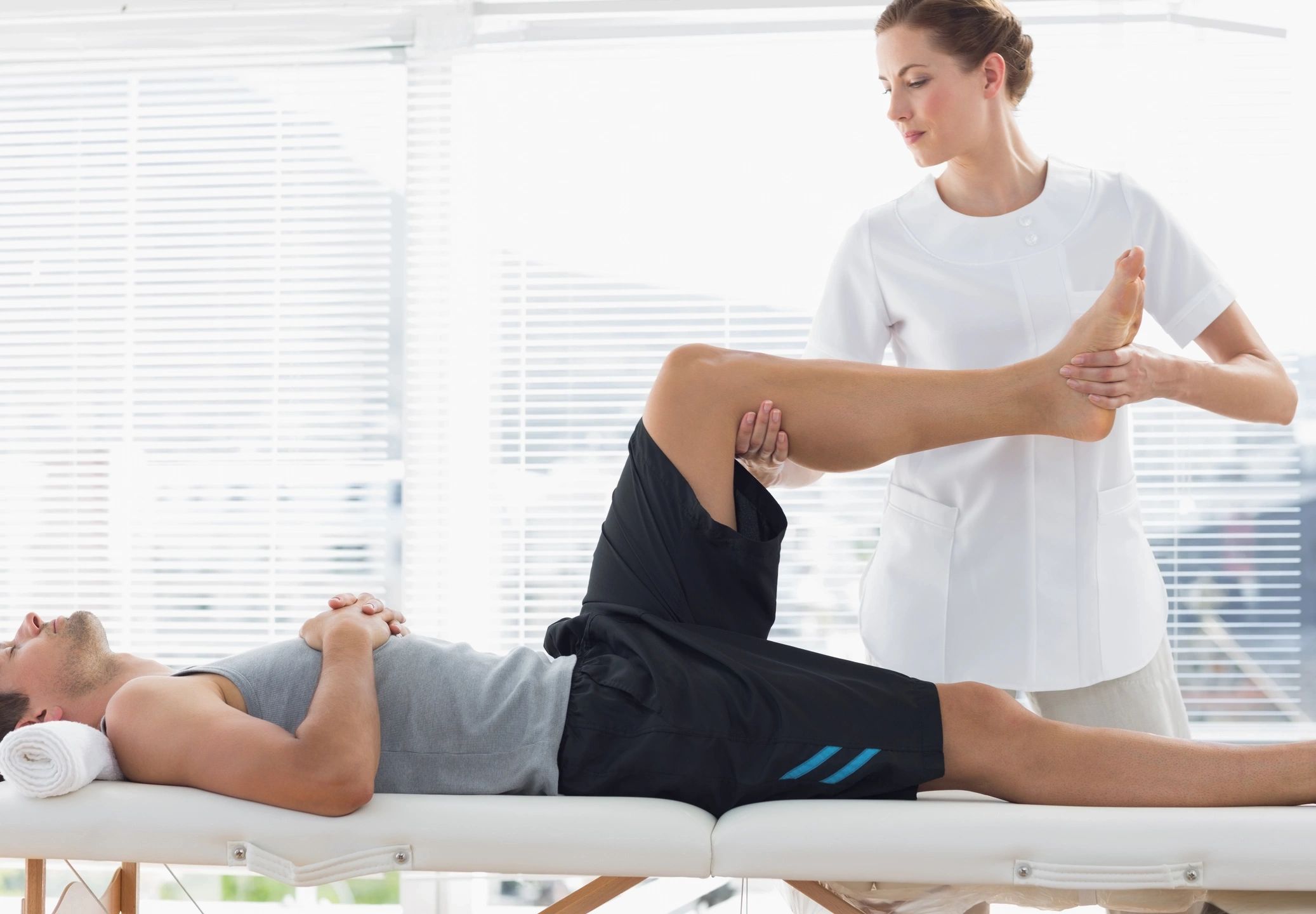
Choose exercises that work your hamstrings while they’re extended. Romanian deadlifts are fantastic (and the single-leg version will also test your balance and make you feel coordinated). Hamstring curls are another great option. Start light, focus on form, and gradually increase the resistance. Your hamstrings will thank you.
The Stretch Part (3-5 times per week):
Try the seated hamstring stretch: Sit on the floor with one leg straight out in front of you and the other bent with the foot against your inner thigh (think half-butterfly position). Then hinge forward from your hips—not your lower back—reaching toward your toes. Hold for 30-60 seconds, repeat 2-3 times per side.
Before a workout, consider doing some dynamic stretches like hamstring sweeps for 30-45 seconds. Save the longer holds for after your workout or on rest days.
A word of caution: The stretch should feel like a gentle pull, not like you’re auditioning for Cirque du Soleil. If it hurts, you’ve gone too far.
The Nutrition Piece (Because Food Matters Too)
As someone who writes about health and fitness for busy parents, I’d be remiss if I didn’t mention that what you eat also plays a role in how your muscles feel and recover:
Protein is your foundation: You need it to build and repair muscle tissue. Most adults should aim for at least 100 grams daily. If that sounds impossible between packing lunches and cleaning up spilled juice, a quality protein powder can help bridge the gap.
Anti-inflammatory nutrients are clutch: Think turmeric (the active compound curcumin is a powerful anti-inflammatory), omega-3 fatty acids from fatty fish or supplements, and collagen peptides that support your joints and connective tissues. These can help reduce that stiff, achy feeling and support overall joint health.
The Bottom Line (Plus a Shameless Book Plug)
If your body feels stiff, tight, and generally unhappy, it’s time to stop only stretching and start strengthening. Building muscle through your full range of motion helps stabilize your joints, improves flexibility, and makes everyday movements feel easier.
For busy parents juggling a million responsibilities (which is probably you if you’ve read this far), this approach is a game-changer. You don’t need hours at the gym—just consistent, targeted effort that combines strength and flexibility work.
And if you want more practical, no-nonsense advice on fitting fitness into your chaotic parenting life, check out my book BUSY PARENT HEALTH & FITNESS. It’s packed with strategies that actually work when you’re operating on four hours of sleep and your idea of meal prep is throwing cheese sticks in a lunch box.
Your muscles don’t have to feel like plywood. With the right combination of strength training, stretching, and proper nutrition, you can move through your day with more comfort, energy, and a whole lot less stiffness.
Now get out there and lift something heavy. Your hamstrings are counting on you.
Quick Action Steps:
- Start strength training 2-3 times per week, focusing on full range of motion
- Add targeted stretching 3-5 times per week
- Prioritize protein intake (aim for at least 100g daily)
- Consider anti-inflammatory nutrients like omega-3s and turmeric
- Be patient—changes take time, especially when you’re also parenting tiny humans
Remember: If you’re experiencing persistent pain or limited mobility, check in with a physical therapist or healthcare provider. This article is for general information, not medical advice.