









You’re squeezing workouts in between school drop-offs, deadlines, soccer practice, and whatever Fulshear traffic decides to throw at you that day. You’re doing the hard part. The alarm goes off early, you show up, you sweat. So the last thing you need is to leave results on the table because your nutrition and recovery aren’t keeping pace with your effort.
Here’s something I’ve learned over 30+ years and more than 30,000 training sessions: working out is only half the equation. What you do to support your body the other 23 hours of the day matters just as much. Sleep, hydration, what you eat — and yes, a handful of well-chosen supplements — can be the difference between grinding your wheels and actually getting somewhere.
Now, I want to be upfront here. The supplement industry is packed wall-to-wall with overhyped products that promise the moon and deliver a pebble. Walk into any supplement store and try not to get overwhelmed — I dare you. But buried underneath all the flashy labels and celebrity endorsements, there are a few options that the research actually backs up consistently. Let’s talk about three of them.
1. Creatine — Yes, It’s Still the Champ
If you’ve heard about creatine and filed it away under “that thing bodybuilders take,” it’s time to update that mental folder. Creatine is the most studied supplement on the fitness market, full stop, and the research applies to men, women, and every age group — not just 22-year-olds trying to fill out a tank top.
What does it do? Creatine helps your muscles produce energy more efficiently during resistance training, which translates to more strength, more lean muscle over time, and better recovery between sets. Studies have shown that people who supplement with creatine daily alongside their strength training gain meaningfully more lean muscle and lose more fat compared to people who just train without it. That’s not marketing. That’s years of peer-reviewed science agreeing on the same thing.
Here’s where it gets especially relevant for those of us who are no longer in our 20s (welcome to the club): the benefits of creatine appear to become even more pronounced with age. For anyone over 50, or for women navigating the hormonal changes that come with perimenopause and menopause, maintaining lean muscle mass gets harder. Creatine has been shown to help support that process. There’s also growing research connecting daily creatine use to better memory and cognitive function — which, honestly, after a week of managing schedules, kids, and a career, doesn’t sound too bad.
A 5-gram daily dose of creatine monohydrate is the standard recommendation. Take it consistently and give it a few weeks to load up in your system. It’s not a caffeine hit — it’s a long game play.
2. Whey Protein — The Post-Workout Non-Negotiable
Protein isn’t glamorous. Nobody makes a YouTube video called “I Ate Enough Protein for 30 Days and Here’s What Happened.” But if you’re training regularly and you’re not hitting your protein targets, you’re basically asking your muscles to rebuild themselves without giving them the building materials.
Whey protein stands out from the crowded protein powder world for a few good reasons. First, it’s a complete protein, meaning it delivers all nine essential amino acids your body can’t make on its own. Second, it’s particularly rich in an amino acid called leucine, which acts like a switch that tells your body to start the muscle-building process. Third, it digests quickly — amino acids from whey start reaching your muscles within about 60 to 90 minutes of drinking it, making it especially useful right after a training session when your body is most ready to repair.
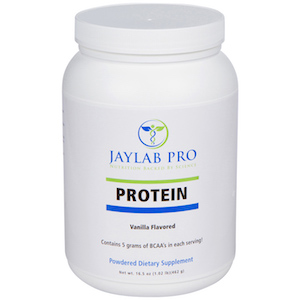
Beyond the muscle stuff, whey protein also helps support healthy blood sugar levels when it’s part of a balanced diet. That matters for busy parents and professionals who are eating on the run and don’t always have time for a perfectly balanced plate.
If you find yourself scrambling for something nutritious post-workout — or honestly, any time of day — a quality whey protein shake is one of the most practical solutions you’ve got. Toss it in a shaker cup and you’re done. No cooking, no prep, no excuses.
3. Magnesium — The Quiet Workhorse Nobody Talks About Enough
Magnesium doesn’t have the brand recognition of creatine or protein, but it absolutely deserves a spot in this conversation — especially if you’re training hard.
Here’s the thing: magnesium is involved in over 300 processes in the body, and one of its big jobs is supporting muscle function and energy production. When you exercise regularly, your body burns through magnesium faster than a sedentary person’s would. You’re sweating it out, you’re using it to fuel muscle contractions, and the demand simply goes up. Most Americans are already not getting enough magnesium from food alone, so add regular exercise to the mix and the gap widens.
Low magnesium levels have been linked to muscle tension, poor recovery, and that lovely feeling of waking up sore for three days after a workout you thought wasn’t even that tough. Research has shown that magnesium supplementation can improve both exercise performance and post-workout soreness — two things that busy parents juggling packed schedules cannot afford to ignore.
Want to take it a step further? Pair your magnesium with tart cherry. This might sound like an unusual combo, but tart cherry is loaded with antioxidants that help reduce the inflammation and oxidative stress that comes with hard training. Studies have linked tart cherry supplementation to improved recovery, less soreness, and better inflammatory markers after exercise. Think of it as your recovery one-two punch.
Putting It All Together
If you’re a Fulshear parent trying to stay healthy and fit while keeping up with everything life is throwing at you, these three supplements — creatine, whey protein, and magnesium — form a solid foundation to complement the work you’re already doing in the gym or at home.
They’re not magic. You still have to do the work. But when you’re doing the work, you deserve to actually get something back from it — and these three help make sure that happens.
And speaking of making your fitness work around your real life — that’s exactly what my BUSY PARENT HEALTH & FITNESS book was built for. It’s a practical, 4-week fitness program designed specifically for people like you – parents and professionals in places like Fulshear who don’t have two hours a day to dedicate to training but absolutely do want results. It covers workouts, nutrition, and the habits that actually stick. If you haven’t grabbed your copy yet, head over to BusyParentHealthandFitness.com and check it out — it just might be the thing that ties everything together for you.
Now go drink some water. That one’s still free.