







If you’ve been treating your bicycle like garage furniture — parked next to the Christmas decorations and that treadmill you swore you’d use — this article is your sign to blow the dust off and take it for a spin. Because a growing stack of research is making it increasingly clear that hopping on a bike may be one of the smartest things you can do for your brain. Not just your heart, not just your waistline — your actual, thinking, decision-making, “where did I put my keys” brain.
A recent scoping review published in Frontiers in Sports and Active Living pulled together 87 intervention studies from 19 countries and found that cycling consistently supported improvements in mood, cognitive function, social connection, and overall psychological well-being. That’s not a small claim. That’s researchers looking at nearly 90 studies across the globe and coming back with a collective thumbs-up for two wheels.
Here in Fulshear and across Fort Bend County, we’ve got neighborhoods built for this — smooth streets, greenbelts, parks, and paths that most of us drove past this morning without a second thought. It might be time to change that.
It’s Not Just Your Legs That Get a Workout
We already know that cardio is good for the heart. Most of us have heard that so many times it barely registers anymore. But what doesn’t get nearly enough attention is what aerobic exercise does above the neck.
The review found that cycling was linked to reduced symptoms of depression, better emotional regulation, improved mood, and stronger stress resilience. The working theory involves a familiar cast of characters — endorphins, neurotransmitters, and the general neurochemical party that kicks off when you get your heart rate up and sustain it. Cycling, it turns out, throws a pretty good party.
On the cognitive side, researchers found associations with faster processing speed, sharper attention, and better overall mental functioning. For busy parents in Fulshear running carpool logistics, managing work deadlines, helping with homework, and trying to remember whether they ate lunch — that’s not a trivial upgrade.
Why Going Outside Changes Everything
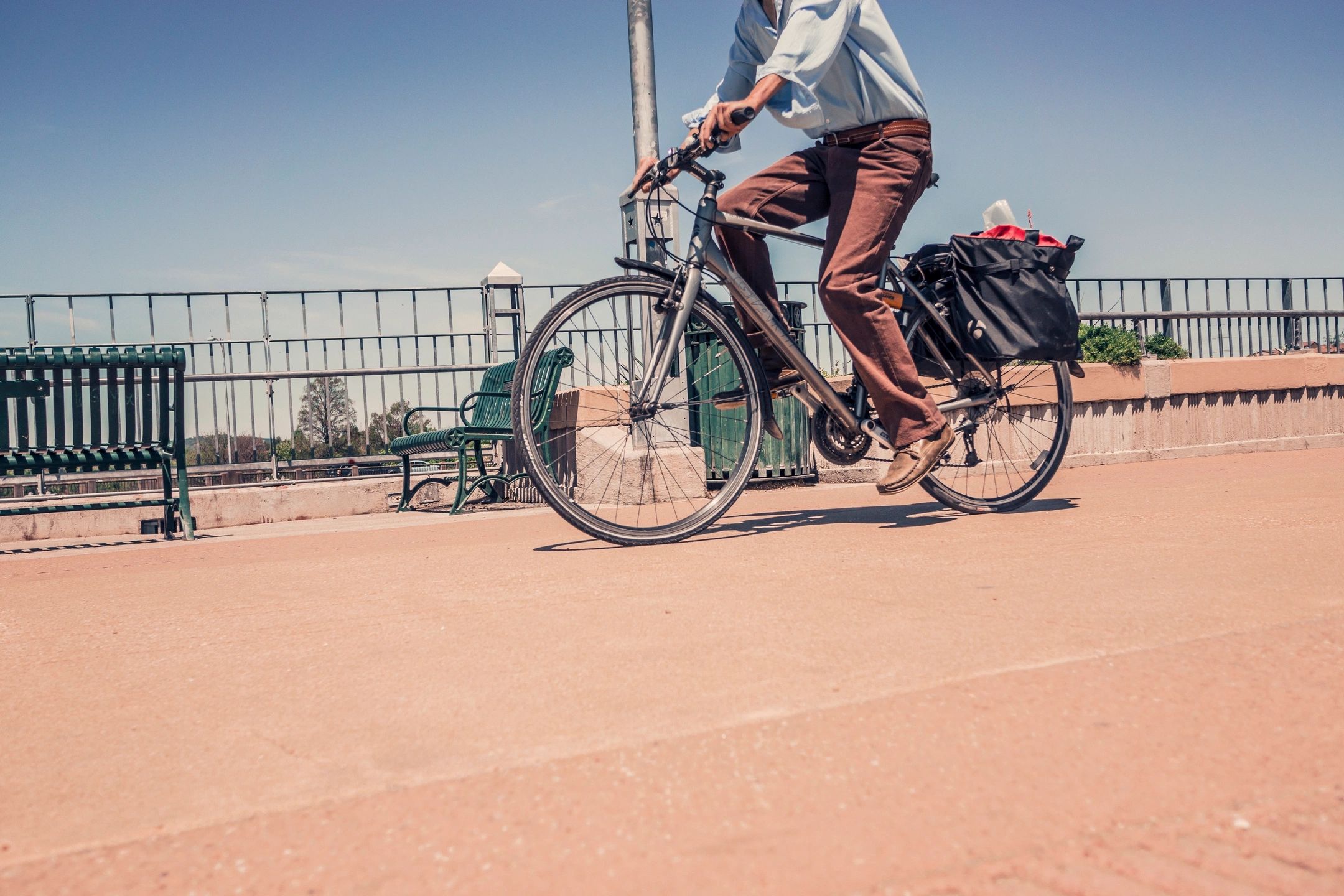
Here’s where it gets interesting. The studies that showed the strongest results weren’t the ones where people pedaled on a stationary bike in a lab while researchers measured things. The standout results came from outdoor, multi-session rides — the kind where you’re actually going somewhere, breathing actual air, and seeing actual trees.
Outdoor cycling layers multiple benefits on top of each other at the same time. You get the aerobic workout. You get the natural environment, which has its own well-documented restorative effect on the brain. You get the rhythm and routine of a repeated activity. And if you’re riding with a friend, a spouse, or your kids — you get the social connection piece too.
A treadmill gives you a workout. A stationary bike gives you a workout. But an outdoor ride through your neighborhood on a Tuesday evening? That’s a workout and a mental reset and a reason to actually talk to your family without anyone staring at a screen.
One other thing the research highlighted: consistency beats intensity, every time. Multi-session routines outperformed one-and-done efforts. So a moderate neighborhood loop three times a week is going to do more for your brain than one heroic 20-mile ride you suffer through on a Saturday and then avoid for two months.
What About E-Bikes? (Yes, They Count)
The review specifically called out e-bikes as a legitimate entry point for people who find traditional cycling too physically demanding — whether due to fitness level, age, recovery from an injury, or just the reality that it’s June in Texas and the idea of pedaling hard in this heat is genuinely daunting.
Good news: the mental health benefits of cycling appear to follow the movement itself, not how hard you’re grinding the pedals. An electric assist that helps you actually get out and ride beats a traditional bike gathering dust in the garage every single time.
If an e-bike is what gets you moving, then an e-bike is the right tool. No shame in the game.
The Busy Parent Connection
Here’s what I’ve seen across 30 years and more than 30,000 training sessions with clients: busy parents are the most chronically under-recovered people on the planet. You’re managing households, careers, kids’ schedules, aging parents, and about seventeen group texts simultaneously. Your body is tired. Your brain is running on fumes and whatever was left in the coffee pot.
Exercise is often the first thing that gets dropped when life gets loud. And I understand why. But the research on cycling makes a compelling case that the very thing you’re skipping to save time might be the most efficient investment you can make in your mental clarity, your mood, and your ability to function.
Even a 20-minute ride around the neighborhood — the kind where the kids are on their bikes alongside you — checks multiple boxes at once. Physical activity. Fresh air. Family time. Brain health. That’s a pretty efficient use of half an hour.
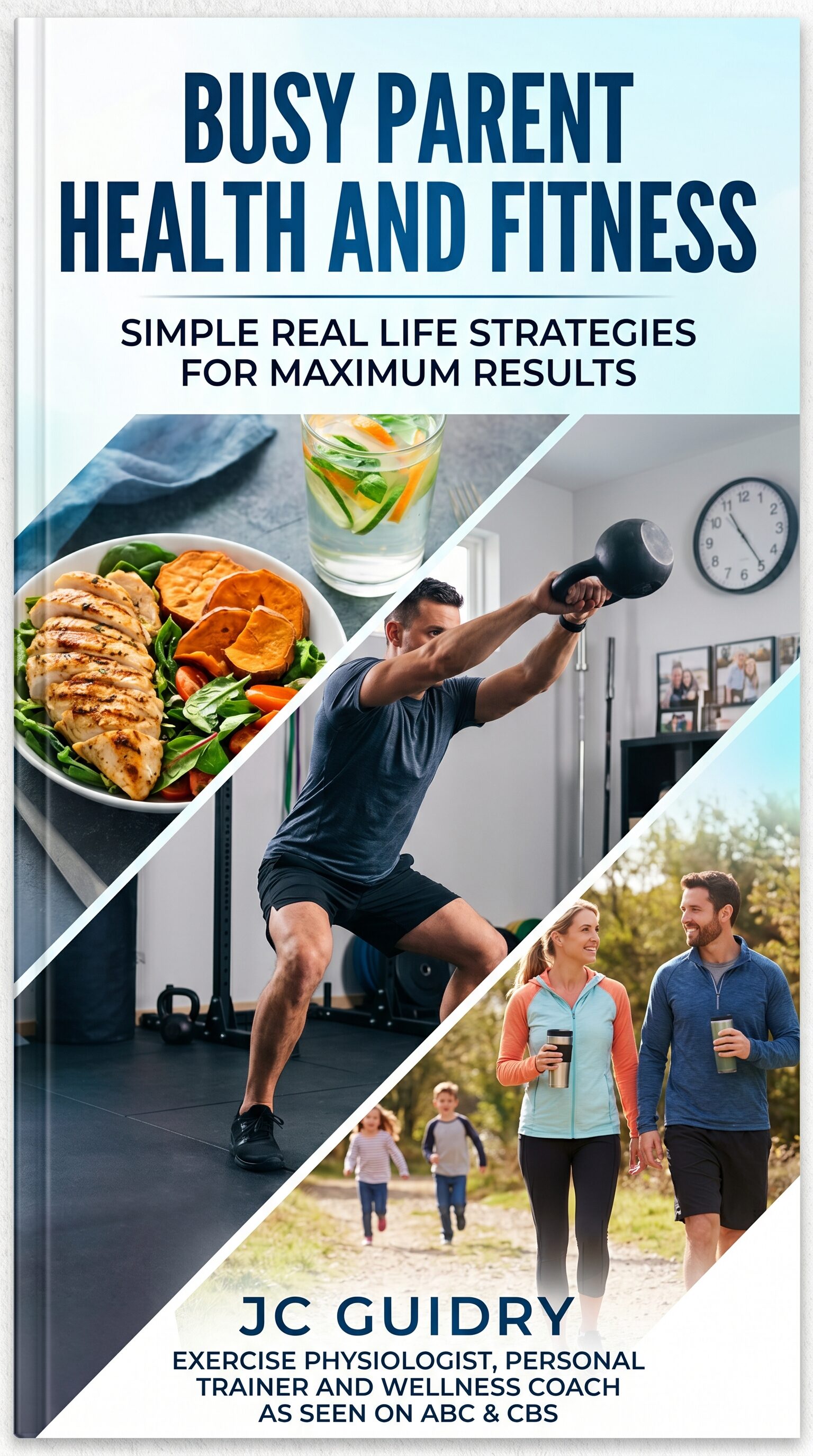
If you’re looking for a structured framework to build this kind of movement into your actual life — not a fantasy fitness routine, but a realistic plan built for parents with real schedules — that’s exactly what my Busy Parent Health & Fitness program was designed for. It’s a 4-week program built around the way your life actually works, not the way a fitness magazine thinks it works.
Practical Ways to Make This Work
You don’t need to overhaul your routine or sign up for a century ride to tap into what the research is pointing toward. A few honest, doable shifts:
Ride outside when you have the choice. Even a short neighborhood loop is more beneficial than the same duration on a stationary bike. The combination of movement plus environment is what makes the difference.
Make it a habit, not an event. The brain benefits come from repeated exposure, not one big effort. Three short rides a week beats one exhausting ride every few weeks.
Bring someone along. The research consistently found that social cycling amplified the mood and belonging benefits. Drag your spouse. Bribe your kids. Call a neighbor. The ride is better with company, and apparently your brain agrees.
Lower the barrier. If a full outdoor ride feels like too much on a given day, do less. A short spin is infinitely better than no spin. Progress compounds; perfect is the enemy of done.
Don’t chase intensity. This is not the workout where you need to suffer to succeed. A comfortable, enjoyable pace that you actually look forward to will serve you far better long-term than intervals you dread.
What This Means for Families in Fulshear
Fort Bend County has added significant trail and greenway infrastructure over the past several years, and neighborhoods throughout Fulshear, Sugar Land, and Katy have routes that are genuinely bike-friendly. That makes this more accessible here than it is in a lot of other places.
If your household has bikes that haven’t moved since last summer, this is worth revisiting — not as a grand fitness commitment, but as a simple, regular habit with outsized returns. Your cardiovascular system benefits. Your brain benefits. Your mood benefits. And if you can get the kids on their bikes alongside you, you’re building a family culture around movement that pays dividends for years.
Thirty years in this field has shown me plenty of fitness trends that came and went. Cycling isn’t a trend. It’s one of the most consistently supported activities in the exercise science literature, and now we know the benefits run a lot deeper than we used to think.
Dust off the bike. Pick a route. Start small. Do it again next week.
And if you need help building the full picture — nutrition, fitness, recovery, all of it structured for the way parents actually live — my Busy Parent Health & Fitness program has you covered.