







Look, if you’re a busy parent here in Fulshear juggling work deadlines, carpool lines, soccer practice, and somehow trying to eat something that isn’t drive-through, the last thing you have time for is another complicated health headline. But stick with me on this one, because the science here is actually pretty exciting — and surprisingly good news.
For as long as most of us can remember, the word “fat” in the context of health has been treated like a four-letter word. Fat bad. Less fat good. That was the whole story. And while that’s true for certain kinds of fat tissue, researchers have been quietly turning that narrative on its head when it comes to one very specific type — brown fat.
And before you ask: no, this is not the same as the stuff that shows up uninvited around your midsection after Thanksgiving. Not even close.
Wait — There Are Different Kinds of Body Fat?
Yes, and this is where it gets interesting.
Most of the body fat we’re familiar with is called white adipose tissue. Its job is pretty straightforward — store energy, sit there, and occasionally remind you that those jeans used to fit better. White fat, when accumulated in excess, is associated with inflammation, metabolic issues, and increased cardiovascular risk.
Brown adipose tissue — brown fat — is a completely different animal. It’s packed with mitochondria (the little powerhouses inside your cells), which give it both its darker color and its superpower: it actually burns energy to generate heat. Instead of storing calories, it torches them.
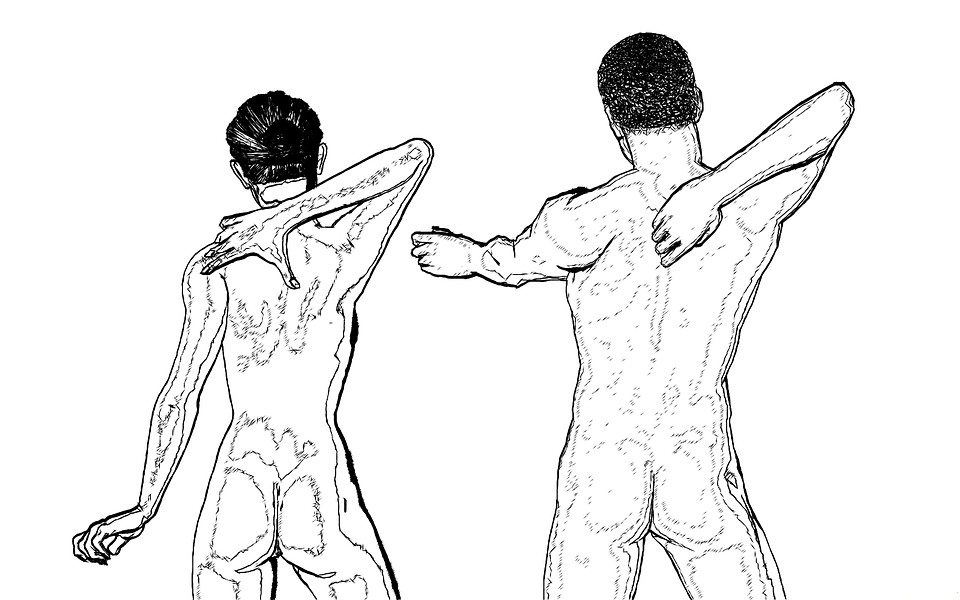
Babies are loaded with brown fat because they can’t shiver yet and need another way to stay warm. Adults have it too — particularly around the neck, collarbone, and upper back — though the amount tends to decrease as we age and as metabolic health declines.
Scientists have been fascinated by brown fat for years because of its metabolic benefits. But a new study just added something significant to that list.
New Research: Brown Fat May Be Guarding Your Arteries
A study published in Arteriosclerosis, Thrombosis, and Vascular Biology looked at adults with obesity and found something that raised some eyebrows in the research community. Participants who had metabolically active brown fat showed significantly lower levels of inflammation in the aorta — the body’s main artery — compared to those without active brown fat.
Why does that matter? Because inflammation in the aorta is one of the early warning signs tied to atherosclerosis, which is the buildup of plaque in the arteries that raises the risk of heart attack and stroke. This is not a small deal.
Here’s the kicker: the differences in vascular inflammation couldn’t be explained by age, body weight, or typical cardiovascular risk markers. The brown fat itself appeared to be doing something protective — independent of those other factors.
To measure who had active brown fat, researchers used PET/CT imaging after cold exposure. About one-third of participants showed meaningful brown fat activity. Those folks had healthier blood vessel profiles, higher levels of anti-inflammatory compounds, and lower levels of inflammatory markers — including IL-6, which is frequently elevated in people with obesity, metabolic dysfunction, and heart disease risk.
And there was a dose-response relationship at play: the more active the brown fat, the lower the vascular inflammation tended to be. That’s a pretty compelling pattern.
So What Does This Mean for You?
If you’re anything like the clients I’ve worked with over the past 30+ years, you don’t have time to overthink this stuff. You need practical. You need real life. you can actually do between dropping the kids off at school and making it to your 9 AM call.
Good news: supporting brown fat activity doesn’t require a cryo-chamber, a personal chef, or a PhD. Here are the habits that research consistently points to:
1. Cold Exposure — And It’s Not as Bad as It Sounds
Cold exposure is one of the most studied ways to activate brown fat. Before you imagine a tub full of ice (please don’t do that without working up to it), know that the bar is actually pretty low. A brief cold shower — even just ending your normal shower with 30 to 60 seconds of cold water — may help over time. Keeping your house a little cooler in the evenings, or taking a walk outside in the cooler morning hours here in Fulshear before the Texas heat kicks in, can count too.
2. Exercise — Especially Higher-Intensity Work
Moving your body, particularly with higher-intensity training, appears to support brown fat activity and the compounds associated with metabolic flexibility. This doesn’t mean you need to run yourself into the ground. A few solid sessions per week of intentional, structured exercise goes a long way. (And hey — this is exactly what I built the Busy Parent Health & Fitness program around. It’s designed specifically for people with a packed schedule who need effective workouts without living at the gym. You can check it out at BusyParentHealthandFitness.com.)
3. Your Morning Coffee Is Actually Working With You
Here’s one you’ll enjoy: caffeine may temporarily stimulate brown fat activity. Research suggests this could be part of why regular coffee consumption is associated with metabolic benefits. Obviously moderation still matters, but your morning cup isn’t just helping you function as a human being — it might be doing something useful on the cellular level too.
4. Sleep and Blood Sugar Matter More Than You Think
Brown fat activity tends to be lower in people with insulin resistance and poor metabolic health. That means the basics still apply: getting consistent quality sleep, eating in a way that keeps blood sugar from spiking and crashing, and managing stress (I know, I know — easier said than done when you’ve got two kids, a mortgage, and a meeting in ten minutes). But these fundamentals aren’t just good advice. They’re literally part of the environment that allows your metabolically beneficial tissue to function.
If you need a little help in the kitchen to support your blood sugar and overall nutrition, my Thin in the Kitchen recipe ebook is a great starting point — real food, practical recipes, no complicated nonsense.
The Bigger Picture for Heart Health
Here’s what I want Fulshear families to take away from this: heart health isn’t just about cholesterol numbers and cardio. It’s about the internal environment your body is operating in day after day. Inflammation, metabolic function, sleep, movement, nutrition — all of it connects.
Brown fat is a fascinating piece of this puzzle because it suggests the body has more protective capacity than we sometimes give it credit for. Supporting that capacity through consistent healthy habits — exercise, smarter eating, adequate sleep, and even the occasional cold shower if you’re brave enough — isn’t just about looking a certain way. It’s about building a body that works well from the inside out.
For parents trying to stay healthy while keeping up with everything life throws at you; you don’t need perfection. You need a plan that works with your life, not against it.
That’s what Busy Parent Health & Fitness is built for. If you haven’t grabbed your copy yet — it’s a complete 4-week fitness program designed around the reality of being a busy parent.
Your heart will thank you. And honestly, so will your carpool partners, because a healthy you is a better-tempered you at 7:45 in the morning.