









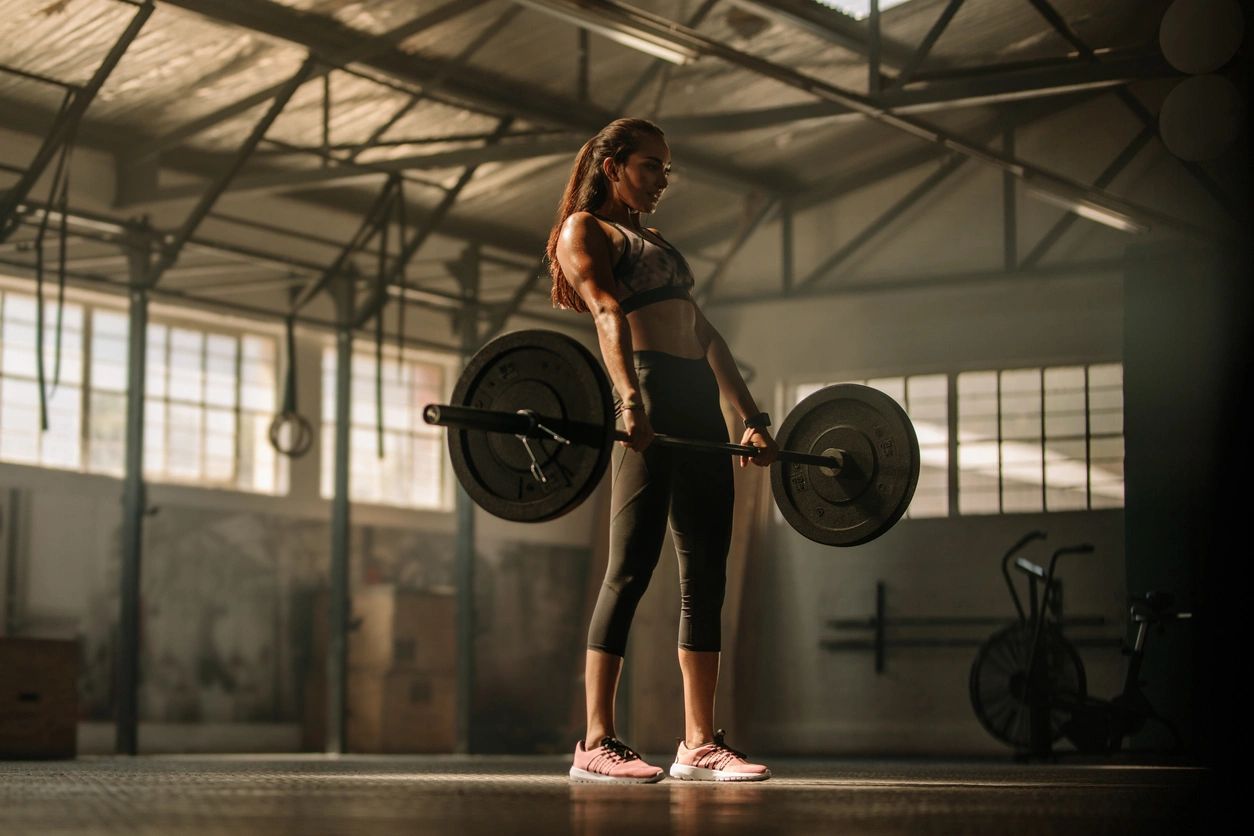
Menopause brings a lot of changes—some expected, some not-so-welcome. From shifting hormones to slowing metabolism, many women notice it becomes harder to maintain strength, energy, and a healthy body composition. But here’s the empowering truth: lifting heavier weights after menopause may be one of the most effective ways to stay strong, protect your bones, and feel energized for years to come.
Why Strength Training Is So Important After Menopause
As estrogen levels drop, women face an increased risk of losing muscle mass and bone density. This often shows up as fatigue, weakness, and even weight gain around the midsection. Left unchecked, these changes can lead to osteoporosis, reduced mobility, and a greater risk of injury.
But research consistently shows that strength training is one of the best solutions. By lifting heavier weights, you not only rebuild muscle and bone strength but also improve balance, posture, and metabolism—things that matter at every age, but especially after menopause.
What “Lifting Heavier” Really Means
You don’t need to deadlift twice your bodyweight to see benefits. For most women, “lifting heavier” simply means challenging your muscles with weights that allow you to complete 8–12 reps before you feel true fatigue. This progressive overload stimulates growth, keeps bones strong, and prevents plateaus.
The key? Progress gradually. If 8-pound dumbbells feel easy, move to 10 or 12 pounds. If bodyweight squats feel light, add resistance. Each step builds resilience and strength.
The Benefits Women Can Expect
Strength training after menopause offers benefits that go far beyond the gym:
-
Bone protection – reducing osteoporosis risk.
-
More muscle tone – giving your body strength and shape.
-
Better balance & posture – helping you stay confident and mobile.
-
Boosted metabolism – making weight management easier.
-
Improved energy – so you can keep up with daily life and feel more like yourself.
How Busy Women Can Fit It In
Between work, family, and everything else, time is always short. The great news is you don’t need hours in the gym. Two to three strength workouts per week—20 to 40 minutes each—are enough to see results. Focus on compound movements like squats, lunges, push-ups, and rows, which train multiple muscles at once and maximize your time.
If you’re training at home, a set of dumbbells, resistance bands, or even household items can get the job done. The important part is consistency and gradual progression.
👉 If you’re a busy parent navigating menopause and looking for practical ways to stay strong and healthy, my BUSY PARENT HEALTH & FITNESS book is packed with strategies to help you fit workouts and nutrition into real life. It’s designed to support you through every stage of parenthood—and yes, even through menopause.