









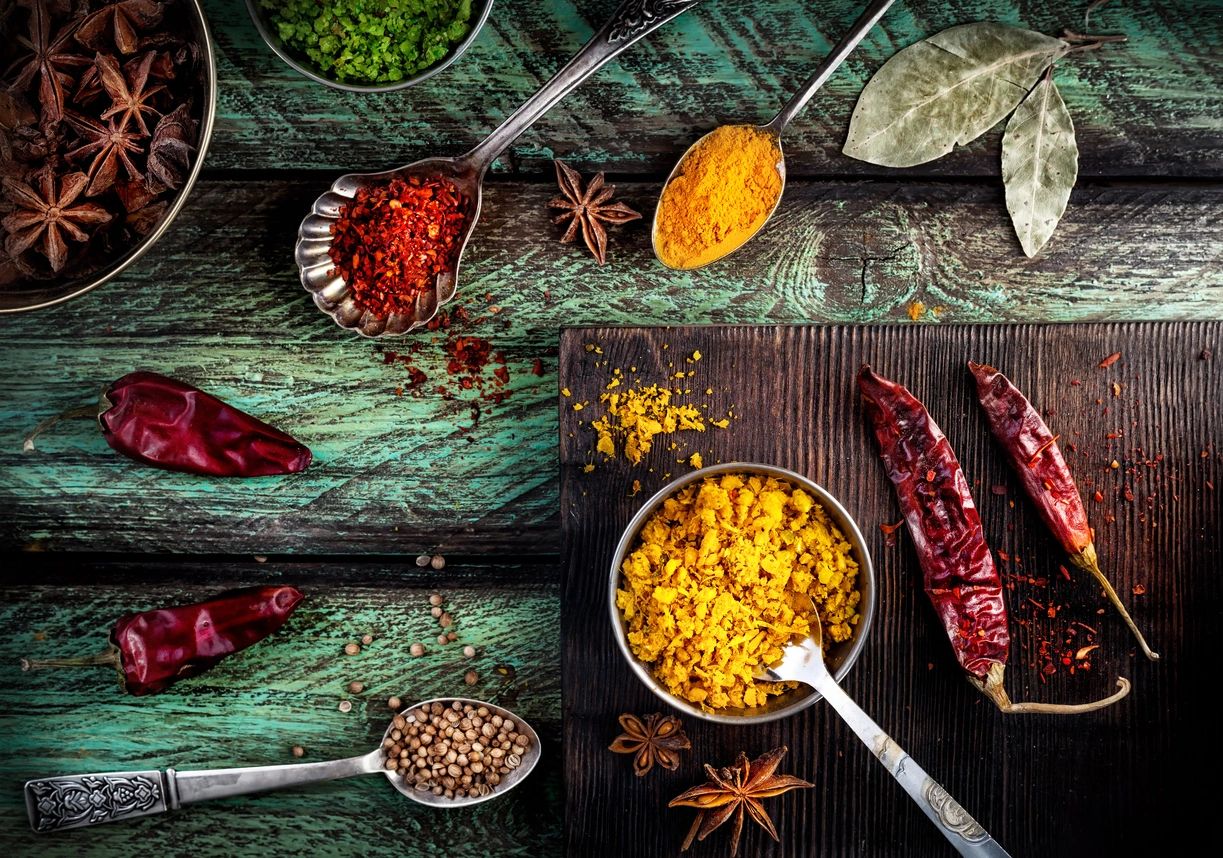
You know what’s hilarious? We’ve all got these tiny jars sitting in our spice cabinets gathering dust while we desperately scroll through expensive supplement ads promising to “boost metabolism” and “support healthy blood sugar.” Meanwhile, the answer has been hiding between the garlic powder and that mysterious bottle of herbs your aunt gave you in 2019.
Recent research has uncovered something pretty remarkable: three common kitchen spices pack serious metabolic punch. And we’re not talking about choking down tablespoons of the stuff or mixing it into weird concoctions. We’re talking about the normal amounts you’d actually use when cooking dinner on a random Tuesday night.
Perfect news for busy parents trying to squeeze in health wins between soccer practice and that never-ending mountain of laundry, right?
The Golden Trinity of Metabolic Health
Here’s the deal. Scientists dug into research on commonly used spices and found three superstars that consistently showed benefits for blood sugar, cholesterol, and inflammation. The best part? The amounts studied were totally realistic—the kind of quantities you’d naturally use while making curry, seasoning chicken, or spicing up your morning coffee.
Let’s break down these metabolic marvels.
Ginger: The Inflammation Fighter Hiding in Your Produce Drawer
That knobby root you awkwardly try to peel? Turns out it’s basically a tiny superhero cape for your metabolism.
Ginger contains something called gingerol, which sounds like a made-up superhero name but is actually a powerful compound with anti-inflammatory and antioxidant properties. Studies show that consuming ginger regularly can positively affect your blood sugar levels, insulin response, cholesterol numbers, and triglycerides.
But wait, there’s more! (I sound like an infomercial, but stick with me.) Four out of five studies examining inflammation found that ginger helped reduce inflammatory markers in the body. If you’re dealing with joint aches, muscle soreness from that workout you finally got around to, or just general inflammation from the stress of modern life, ginger might become your new best friend.
How much do you need? About 1 to 3 grams daily—that’s roughly 1 tablespoon of fresh grated ginger or ¾ teaspoon of the powdered stuff. Throw it in stir-fries, steep it in hot water for tea, add it to smoothies, or get fancy with homemade ginger dressing.
And here’s a dad joke for you: Why did the ginger root go to therapy? Because it had too many issues to work through! (Okay, I’ll see myself out.)
Turmeric: The Golden Child of Blood Lipid Management
If Instagram had a favorite spice, it would absolutely be turmeric. That gorgeous golden powder has been used in Ayurvedic medicine for thousands of years, and modern science is finally catching up to what ancient healers already knew.
Turmeric gets its superpowers from compounds called curcuminoids, with curcumin being the rock star of the group. Research shows turmeric is particularly impressive at helping manage blood lipid levels—think triglycerides, total cholesterol, and LDL cholesterol (the not-so-great kind).
Multiple studies found that consuming turmeric regularly can help lower these markers when they’re creeping into unhealthy territory. As a bonus, it also showed benefits for reducing inflammation.
The catch? (There’s always a catch, isn’t there?) Your body isn’t amazing at absorbing curcumin on its own. It’s kind of like trying to get your toddler to eat vegetables—technically possible, but requires strategy. Pairing turmeric with black pepper can significantly boost absorption, which is why you’ll often see them together in recipes.
How much? About ½ to 1 teaspoon daily. Toss it into scrambled eggs, blend it into smoothies, add it to rice dishes, or make golden milk before bed. Just be warned—it stains everything it touches. Your cutting board will never be the same. Consider it battle scars from the war on inflammation.
Cinnamon: The Blood Sugar Balancing Act in Your Baking Aisle
Cinnamon is that overachiever we all secretly want to be. Not only does it make everything taste like fall and happiness, but it’s also been shown to help regulate blood sugar levels, especially for people concerned about diabetes or prediabetes.
Here’s what makes cinnamon special: it can slow down how quickly carbohydrates break down in your digestive system, which means sugar enters your bloodstream more gradually instead of all at once. Think of it like controlling traffic flow rather than opening the floodgates.
Studies have found that consuming cinnamon regularly can lower fasting blood sugar levels by 10 to 29%. That’s not a typo—those are legitimate, meaningful improvements from just adding a sprinkle of spice to your routine.
How much? Between ½ to 2 teaspoons daily. This is the easiest one to incorporate because cinnamon goes with everything. Add it to oatmeal, coffee, smoothies, yogurt, or even savory dishes like chili. Get creative! Your pancreas will thank you.
Making It Work in Real Life (Because Theory is Useless Without Practice)
Look, I get it. You’re not a food blogger with perfect lighting and four hours to meal prep. You’re a busy parent trying to keep tiny humans alive while also taking care of yourself, which feels about as easy as juggling flaming swords while riding a unicycle.
But here’s the beauty of this approach: these aren’t expensive supplements to remember. They’re not complicated protocols. They’re just regular ingredients you can incorporate into foods you’re already making.
Quick wins for busy parents:
- Add cinnamon to your morning coffee or protein shake while everyone’s arguing about socks
- Keep a container of minced ginger in the freezer and toss it into stir-fries (no peeling required)
- Make golden milk (warm milk with turmeric and a pinch of black pepper) as an evening ritual after the kids finally crash
- Mix all three into a homemade spice blend for roasted vegetables
- Prep smoothie packs with ginger included so you can grab and blend in 30 seconds flat
The goal isn’t perfection. The goal is progress. Even incorporating one of these spices a few times a week is better than zero times a week. And here’s a secret: your kids might not even notice the health upgrade if you’re sneaky about it.
The Bottom Line (That Your Metabolism Will Love)
You don’t need to overhaul your entire life or spend hundreds on fancy supplements to support your metabolic health. Sometimes the most powerful tools are sitting right there in your kitchen cabinet, waiting to be discovered.
Just half a teaspoon of the right spice each day can create meaningful changes in your blood sugar regulation, cholesterol levels, and inflammatory markers. That’s pretty incredible when you think about it—major health benefits from minor kitchen upgrades.
As someone who’s always looking for ways to optimize health without adding more chaos to an already packed schedule, this is exactly my kind of strategy. Work smarter, not harder. Season boldly, live healthier.
And if you’re looking for more realistic, actually-doable health strategies that fit into the beautiful chaos of parenting life, check out my book BUSY PARENT HEALTH & FITNESS. It’s packed with practical approaches that recognize you’re dealing with real life, not Instagram’s highlight reel.
Now if you’ll excuse me, I’m going to go make some aggressively spiced coffee and pretend I have my life together.