








For a while, walking got a bad reputation in the fitness world. It was considered the thing you did when you were too out of shape for ‘real’ exercise, or what your grandparents did around the mall. The fitness industry was obsessed with intensity — HIIT, metabolic conditioning, high-heart-rate everything.
But 2025 has brought a powerful and science-backed reconsideration: walking is genuinely one of the most effective, sustainable, and underrated forms of exercise available — and for busy parents, it might be the single best place to start (or restart) a fitness journey.
The Science Behind Walking’s Comeback
Walking’s renaissance is backed by an impressive and growing body of research. Studies have shown that regular brisk walking reduces the risk of heart disease, Type 2 diabetes, certain cancers, and depression — often with effect sizes comparable to more intense forms of exercise.
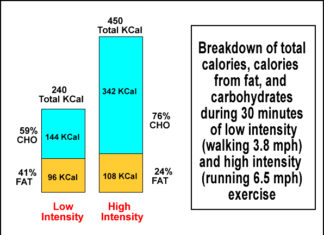
Walking at a moderate pace (Zone 2 cardio) is also one of the best tools for fat metabolism and metabolic health. Unlike intense exercise, it doesn’t spike cortisol (already elevated in sleep-deprived parents), doesn’t require recovery time, and can be done every single day.
You don’t need to destroy yourself in a HIIT class to get healthy. A consistent daily walk may do more for your long-term health than sporadic intense workouts.
Why Walking Is Practically Perfect for Busy Parents
No Equipment, No Gym, No Childcare Needed
Strap a baby in a stroller, let your toddler ride their bike alongside you, or put your older kids on a family walk after dinner. Walking is one of the only forms of exercise that integrates naturally with family life rather than competing with it.
It’s Genuinely Sustainable
Consistency is everything in fitness. A walk every day beats a brutal workout three times a week that you dread and eventually quit. Walking is low-impact, enjoyable, and accessible even on your most exhausted days.
It Doubles as Mental Health Therapy
Walking outdoors — especially in green spaces — has been shown to significantly reduce anxiety, depression, and stress. For parents carrying the mental load of family management, a 20-minute outdoor walk isn’t a luxury; it’s a mental health necessity.
It’s Free
Gym memberships, fitness apps, workout equipment — none of it required. Lace up your sneakers and walk out the front door.
How to Make Walking More Effective as a Workout
Add Incline or Rucking
Walking uphill — or adding a weighted backpack (rucking) — dramatically increases calorie burn and builds lower body and core strength. Even walking on a slight incline on a treadmill makes a major difference.
Increase Your Pace Strategically
Incorporate ‘walking intervals’ — alternating 2 minutes of brisk power walking with 1 minute of easy pace. This keeps heart rate elevated and improves cardiovascular fitness more than a steady stroll.
Walk After Meals
Research shows that a 10-15 minute walk after eating significantly blunts blood sugar spikes and improves insulin sensitivity. A post-dinner family walk has tremendous metabolic benefits and builds a wonderful family habit.
Setting Realistic Walking Goals for Busy Parents
- Start with 20-30 minutes per day, 5 days per week
- Track steps with your phone or a cheap fitness tracker — 7,000-10,000 daily steps is a solid target
- Use walking meetings when possible — take phone calls while walking
- Park farther from your destination intentionally
- Make family walks a non-negotiable part of your evening routine
📚 Get More Tips in the BUSY PARENT HEALTH & FITNESS Book!
Want a complete roadmap to thriving health as a busy parent? Pick up the BUSY PARENT HEALTH & FITNESS book — your go-to guide for fitting real fitness and smart nutrition into a packed family schedule.
Walking isn’t a consolation prize for people who ‘can’t’ do harder workouts. It’s a legitimate, powerful, research-backed tool for lifelong health — and for busy parents who need sustainable solutions, it just might be the most important fitness habit you can build this year.