









It’s 5:45 PM on a Tuesday. You’re sitting in the school pickup line on FM 1093, your to-do list is seventeen items long, someone in the backseat is already arguing about homework, and a driver just cut you off for the last parking spot. How you respond in that moment — whether you take a breath or go full volcano — might have a lot more to do with your fitness level than your personality.
And no, I’m not calling anyone out. I’ve been that volcano. But science has something genuinely interesting to say about why some people handle daily stress like a chilled-out golden retriever, while others (raises hand) feel like a phone at 2% battery by noon.
It comes down to a fitness metric most of us have never paid attention to: VO2 max.
So What In the World Is VO2 Max?
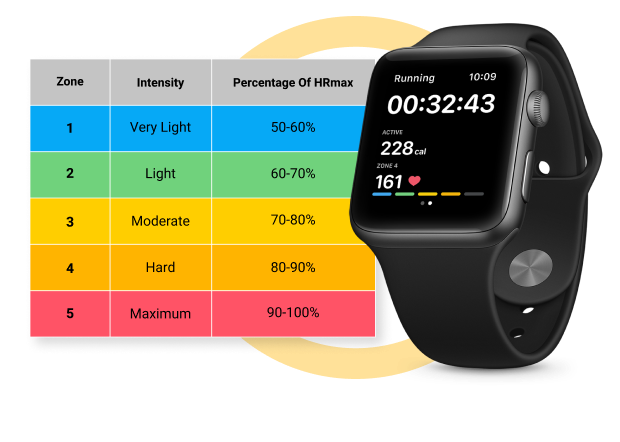
VO2 max sounds like something you’d see on the side of a sports drink can, but it’s actually a measure of how efficiently your body uses oxygen when you’re working hard. Think of it like your engine’s horsepower, except instead of a car, it’s your cardiovascular system hauling you through a workout, a busy day, or both simultaneously.
The higher your VO2 max, the more aerobically fit you are. And as it turns out, the more aerobically fit you are, the better your brain and body handle emotional stress.
We’re not just talking “exercise makes you feel good.” Researchers looked at this specifically and found something that should genuinely get your attention.
What the Research Found
A recent study had 40 healthy adults complete two sessions. In the first, researchers measured baseline anxiety and anger levels and estimated each person’s VO2 max based on their exercise habits. In the second session, participants were shown a series of images — some neutral, some emotionally unpleasant — designed to create a controlled stress response. Researchers then measured anxiety and anger before and after the viewing.
Here’s where things get interesting (and honestly a little alarming):
People with below-average aerobic fitness experienced significantly bigger spikes in both anxiety and anger after the stressful images. Their emotional reactions were more intense and harder to regulate.
But the number that really jumps off the page? People with below-average cardiorespiratory fitness had a 775% greater risk of jumping from moderate to high anxiety compared to their fitter peers.
Seven hundred and seventy-five percent. That’s not a typo. For those of us juggling jobs, kids, school schedules, and everything Fulshear life throws at us — that number hits different.
Why Does Fitness Affect Your Emotions?
Your body has a whole system for managing stress — hormones, brain chemistry, the nervous system — and it turns out aerobic fitness helps keep all of it running more smoothly. Here’s what researchers believe is happening under the hood:
Your stress hormone system gets better regulated. The HPA axis (fancy name, simple job: it releases cortisol and other stress hormones) tends to be better balanced in people with higher aerobic fitness. Less cortisol flooding the system means less of that wired, panicky feeling.
Your brain gets more of the good stuff. Higher aerobic fitness is linked to increased levels of BDNF, a protein that supports brain health and neuroplasticity. Basically, your brain becomes better at adapting — which includes recovering from stress faster.
Your heart rate variability improves. HRV is a measure of how well your nervous system can shift gears between “go mode” and “calm mode.” Better aerobic fitness = higher HRV = your body is quicker to downshift after a stressor. Like having really good brakes.
In other words, consistent cardio exercise isn’t just burning calories. It’s literally training your brain and nervous system to handle stress more gracefully.
What This Means for Busy Fulshear Parents
Look, we live in one of the fastest-growing areas in Texas. Between the school drop-offs, the commutes into Houston, the weekend activities, and everything in between — stress is not exactly in short supply around here. And for most of us, when we get busy, fitness is the first thing that gets bumped off the calendar.
But if this research tells us anything, it’s that skipping those workouts might actually be making your stressful days harder to cope with, not easier. It’s a bit of a cruel joke: the more overwhelmed you feel, the less you want to exercise — but the less you exercise, the more overwhelmed you feel.
The good news is you don’t need to train for a marathon to see a difference. Researchers and fitness experts generally point to 150 minutes of moderate aerobic activity per week (think brisk walking, a bike ride, swimming, or a solid cardio class) or about 75 minutes of more vigorous effort. Spread across a few days, that’s manageable even for the busiest schedules — and I say that with all the respect in the world, because I know your schedule is a lot.
This Is Exactly Why I Wrote the Busy Parent Health & Fitness Book
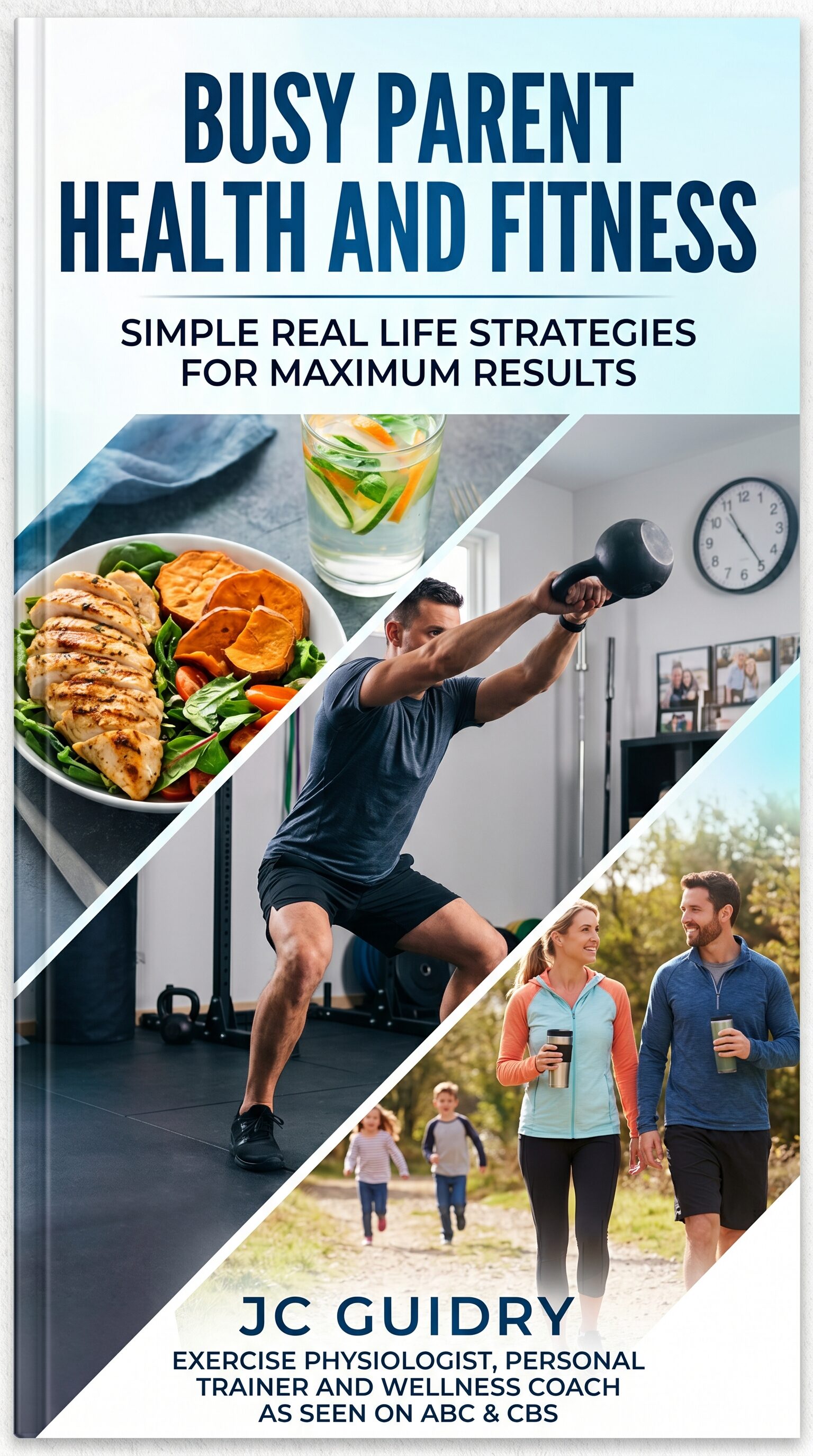
If you’ve been following along here for a while, you know I wrote Busy Parent Health & Fitness specifically for people like us — parents in communities like Fulshear who want to feel better, move more, and manage stress without needing a two-hour gym window or a personal chef. The book breaks down exactly how to build the kind of aerobic base that actually changes how you feel day-to-day — including how you handle the chaos that is modern parenting.
The 775% statistic from this research is exactly the kind of thing that made me want to write that book. Because the gap between a parent who feels emotionally resilient and one who’s running on fumes isn’t usually willpower or personality. It’s often just fitness — and fitness is something we can actually do something about, even with a packed schedule.
The Bottom Line
Your cardio fitness level doesn’t just affect how you look or how winded you get on the stairs. It directly influences how your brain handles stress, how quickly your body recovers from emotional spikes, and how likely you are to keep your cool when life turns up the heat.
That moment in the pickup line? How you respond to it might actually be trainable.
Start where you are. A 20-minute walk counts. A workout during lunch counts. That Saturday morning run while the kids are still asleep? It counts more than you know — not just for your body, but for your mind.
And if you want a practical roadmap built around your real life as a parent, grab a copy of Busy Parent Health & Fitness. It was written for exactly this — for you, right here, right now, in the middle of everything.
Have questions about getting started with cardio fitness in Fulshear? Drop them in the comments — I’d love to help.