









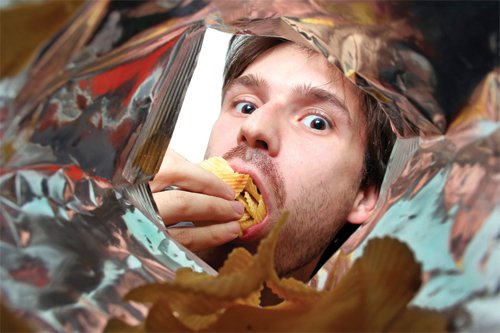
If you’re a parent in Fulshear, TX, your snacking game probably looks something like this: you swore you’d eat the apple and almonds you packed, but somewhere between carpool and soccer practice, you stress-inhaled a bag of goldfish crackers from the back seat. No judgment. We’ve all been there.
But here’s the thing — snacking itself isn’t the enemy. It’s how and what you snack on that determines whether it helps you or sends your energy crashing into a wall by 3pm.
Let’s break it down so you can stop feeling guilty about snacks and start using them like the secret weapon they can be.
Snacking Isn’t Bad — Mindless Snacking Is
There’s a big difference between a purposeful snack and just eating because the pantry was open and you walked by. One supports your health goals, the other is basically a reflex.
Here’s a truth that often gets lost in diet culture noise: many people genuinely need snacks to hit their daily nutrition targets. Think about it — you’re trying to get enough protein, enough fiber, enough of everything — all while managing a household, a job, a school schedule, and approximately 4,000 other things. Cramming all of that nutrition into just three rushed meals isn’t always realistic, especially on those days when lunch is eaten standing over the kitchen sink at 1:47pm.
A well-chosen snack bridges the gap between meals so you’re not arriving at dinner so hungry that you’d eat a cardboard box if someone put cheese on it.
The Simple Formula That Makes Snacks Actually Work
Here’s a rule of thumb that makes snack-building way easier: aim for at least 10 grams of protein and 4 grams of fiber per snack.
That combo is a bit of a superpower. Protein helps keep you full and supports lean muscle — which matters whether you’re a parent chasing toddlers or trying to stay strong enough to carry eight grocery bags in one trip (you know who you are). Fiber slows digestion down and helps keep blood sugar stable, which means you’re not riding that rollercoaster of energy spikes and crashes all afternoon.
Research backs this up too — snacks built around protein tend to keep hunger in check far better than snacks loaded with refined carbs. Translation: the crackers alone aren’t gonna cut it, friend.
Some easy, whole-food snack combinations that hit these targets:
- Greek yogurt with a handful of berries
- Hard-boiled eggs with a small apple
- Cottage cheese with sliced veggies
- A small handful of almonds or pistachios with a piece of fruit
- A protein shake blended with spinach and a banana (yes, your kids will think it looks gross — that’s half the fun)
Bonus: whole food snacks built around things like almonds, pistachios, and avocados have also been shown to support heart health and gut health over time. So that guacamole you’ve been sneaking? Practically medicine. You’re welcome.
If You’re Snacking All. The. Time. — Something’s Off at Meals
Now, if you find yourself grazing nonstop from the moment the kids get on the bus until after they’re in bed, that’s worth paying attention to. Constant snacking is usually your body’s way of waving a big red flag that your main meals are missing something — usually protein, fiber, or both.
It can also happen when meals are spaced too far apart or built too heavily around quick carbs that burn off fast. A dietitian I came across put it well: keeping your main meals consistent throughout the day — breakfast, lunch, dinner, and maybe one planned afternoon snack — naturally reduces those evening cravings and that zombie-like wander to the fridge after 9pm.
When your meals are more balanced and happen at fairly predictable times, snacks stop feeling reactive (read: desperate) and start feeling intentional. That shift alone is a game changer.
The Fulshear Parent Takeaway
Here in Fulshear, life moves fast. Between the Fort Bend ISD schedules, weekend sports, work deadlines, and just trying to keep everyone fed and somewhat functioning, nutrition often takes a back seat. But it doesn’t have to be complicated.
Planning a couple of solid snack options each week — ones that actually have protein and fiber — takes maybe ten minutes and can completely change how you feel throughout the day. Less brain fog. More energy for the things that actually matter. Fewer meltdowns. (Yours, not just the kids’.)
If you’re looking for more practical, no-fluff strategies to make health and fitness work with your real life as a busy parent, check out my book Busy Parent Health & Fitness. It’s written specifically for people like you — people who want results without having to overhaul their entire life or spend two hours at the gym. Real tips, real food, real schedules. Because your health matters, even when everything else is competing for your attention.
Small, smart choices add up — and it starts with what’s in your snack drawer.